
 loading="lazy">
 loading="lazy">
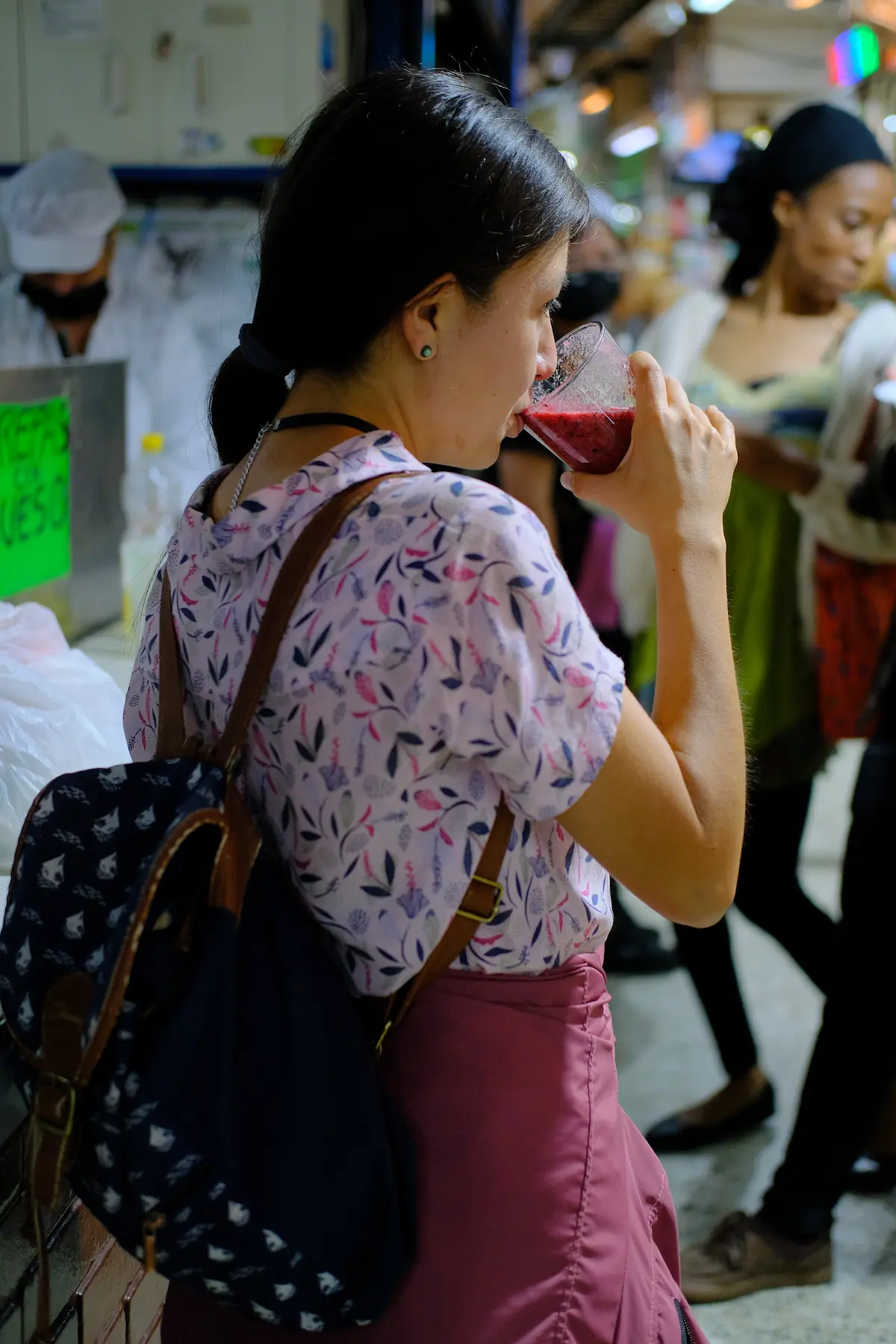
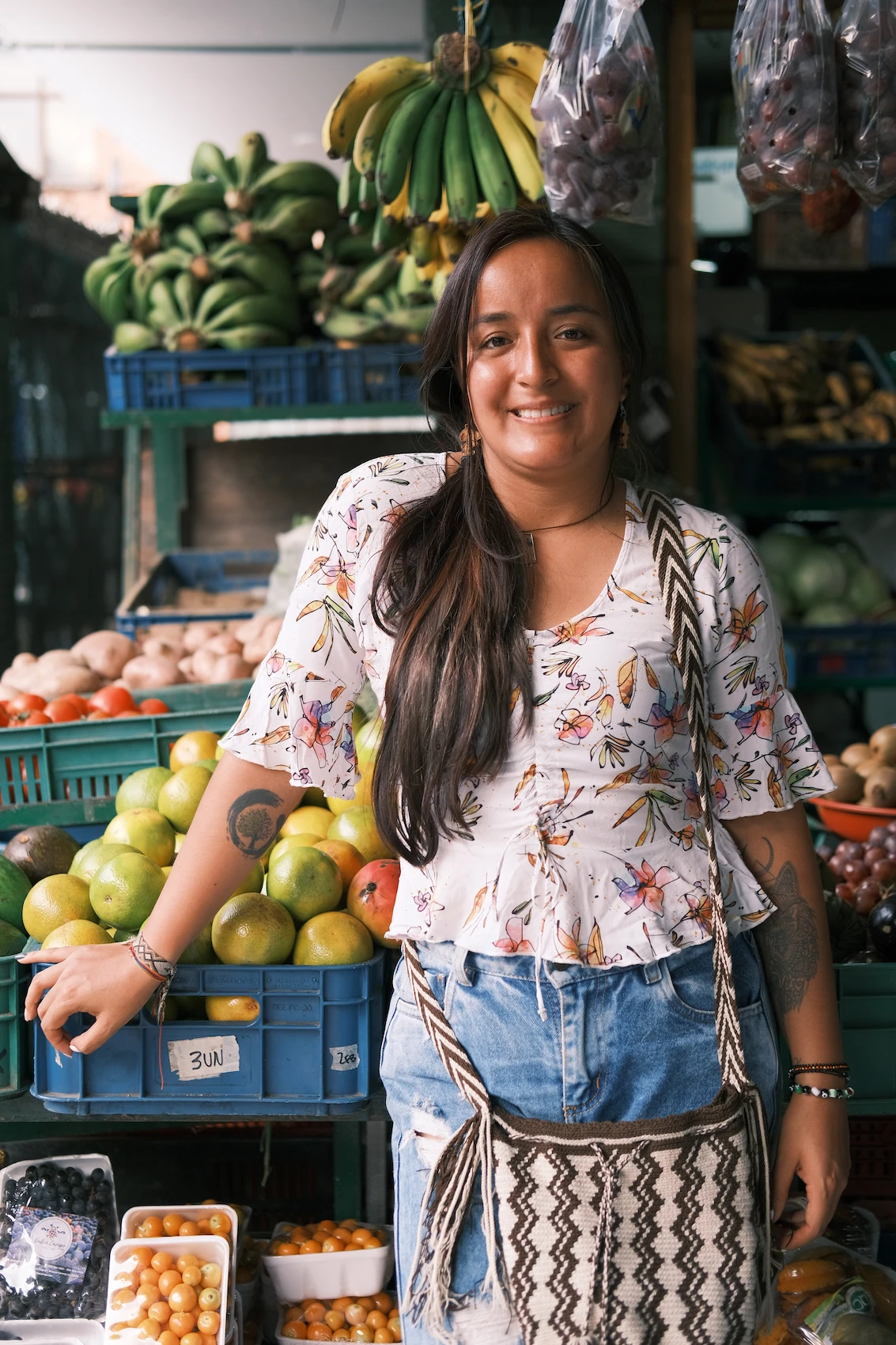
Embark on a flavorful journey through Colombia’s rich tapestry of tastes at the vibrant Paloquemao Market! Our unique fruit tour is not just a feast for your taste buds, but a window into the heart of Colombian culture and history.
Imagine wandering through colorful aisles bursting with fruits, vegetables, flowers, and more. Each section of the market tells a story of Colombia’s diverse regions and culinary traditions. From familiar favorites to exotic treasures, you’ll discover over 20 different fruits in various forms – fresh, prepared, and as simple ingredients in local snacks.
But this isn’t just about tasting. It’s about immersing yourself in the rich tapestry of Colombian food culture. Learn how these fruits have shaped the country’s history, cuisine, and even its place on the global stage. Get ready for a sensory adventure that spans the entire market!
- Fruit Extravaganza: Sample over 20 different fruits in various preparations.
- Market Exploration: Discover diverse areas including produce, flowers, and local crafts.
- Simple Snack Preparation: Try your hand at preparing easy, market-fresh fruit snacks.
- Cultural Insights: Explore Colombian history and culture through its fruits and market life.
- Local Interactions: Meet vendors and hear their stories from different market sections.
Ready to taste the colors of Colombia and uncover the stories behind each market stall? Join us for this unforgettable Paloquemao adventure!
How the experience will unfold
Market Rendezvous
Meet your expert guide at one of the main doors of Paloquemao Market.
Fruit Section Exploration
Discover and taste a variety of fresh fruits, learning their stories and uses.
Market Diversity Tour
Explore other market areas including vegetables, flowers, and local crafts.
Simple Snack Making
Try your hand at preparing easy, market-fresh fruit snacks with guidance from locals.
Vendor Stories
Interact with vendors from different sections, hearing their unique market experiences.
Dietary Information
Suitable for
Vegetarian options available
Dairy-free alternatives offered
Allergy information provided
General Information
From 40 USD
- Tour Start Time: 10 AM
- Tour Duration: 3 Hours
- Maximum Group Size: 5 People
- Tour Type: Walking Tour
- Meeting Location: Paloquemao Fruit Market
- Available Languages: English, Spanish, Portuguese
- Discounts for Kids: Yes!
Cancellation Policy
Free cancellation before 24 hours
Before the Tour
- Bring your curiosity.
- Make sure to come on an empty stomach.

Our FAQ section
Do you have any questions about Bogota’s food and fruit markets?
Questions about Bogota’s food and markets
What are the must-try foods in Bogota?
Bogota is a culinary treasure trove with an array of unique flavors and dishes. Key highlights include ajiaco, a hearty chicken and potato soup, and arepas, versatile cornmeal cakes.
Other favorites are empanadas, crispy fried pastries with various fillings, and changua, a comforting breakfast soup. Don’t miss trying chicha, a traditional fermented corn drink.
- Ajiaco: Chicken, potatoes, corn, capers, and guascas
- Arepa: Cornmeal cakes with cheese, meats, or eggs
- Empanadas: Fried pastries with beef, chicken, or cheese
- Changua: Breakfast soup with milk, eggs, and scallions
- Chicha: Fermented corn drink
What can you find at the Paloquemao market?
Paloquemao market is one of Bogota’s largest and most vibrant markets, offering a feast for the senses. It’s a highlight of any Bogota market tour, featuring a wide variety of fresh produce and local delicacies.
Explore the extensive selection of fruits, vegetables, flowers, seafood, meats, and traditional ingredients, and sample local dishes like tamales and lechona.
- Fresh Produce: Local fruits like lulo, guanabana, and mangostino
- Flowers: Roses, orchids, and more
- Seafood and Meat: Freshly butchered on-site
- Herbs and Spices: Local and traditional ingredients
- Prepared Foods: Tamales, lechona, and fresh juices
Which markets in Bogota are known for exotic fruits?
Besides Paloquemao market, there are a couple of other markets where you can find exotic fruits during your Bogota fruit tour. These include Plaza de Mercado de La Perseverancia and Mercado de las Pulgas de Usaquén.
These markets offer a variety of exotic fruits, from maracuya and pitaya to granadilla, providing a vibrant and diverse fruit shopping experience.
- Plaza de Mercado de La Perseverancia: Maracuya, pitaya, and granadilla
- Mercado de las Pulgas de Usaquén: Fresh fruits and local products
- Paloquemao market: Wide variety of local and exotic fruits
What can I expect on a Bogota fruit market tour?
A Bogota fruit market tour is an immersive experience into the city’s rich culinary culture. You’ll enjoy guided exploration, fruits tasting, and learning about the cultural significance of these fruits.
Your knowledgeable guide will introduce you to a variety of exotic fruits and provide engaging stories and insights about their origins and uses in Colombian cuisine.
- Guided Exploration: Led by a knowledgeable guide
- Fruits Tasting: Wide range of exotic fruits
- Local Insights: Cultural significance and culinary uses
- Engaging Stories: Anecdotes about fruits and food culture
What are the highlights of a Bogota fruit tour?
The highlights of a Bogota fruit tour include sampling a variety of unique fruits, understanding their role in Colombian culture, and experiencing the bustling market environment.
Enjoy the educational experience of learning about the nutritional benefits and culinary uses of different fruits, especially at the Paloquemao market.
- Exotic Fruit Tastings: Lulo, feijoa, and zapote
- Cultural Insights: Role in Colombian culture and cuisine
- Market Atmosphere: Bustling and colorful
- Educational Experience: Nutritional benefits and culinary uses
More about Colombian fruits and cuisine
How do fruit market tours in Bogota compare to other cities in Colombia?
Fruit market tours in Bogota offer a distinct experience due to the city’s extensive variety of fruits, urban vibe, and cultural fusion. The markets are large and bustling, reflecting Bogota’s status as the capital.
Being a central hub, Bogota’s markets showcase a blend of indigenous, Afro-Colombian, and modern influences, with well-organized tours providing additional cultural or historical insights.
- Variety: Extensive variety of fruits
- Urban Vibe: Large and bustling markets
- Cultural Fusion: Blend of diverse influences
- Accessibility: Well-organized tours for tourists
What are the most popular fruits in Colombia?
Colombia’s diverse climate and fertile soil produce a wide range of popular fruits. Discover bananas, papayas, pineapples, and mangoes, each offering a unique taste experience.
Another favorite is passion fruit (maracuya), known for its tangy and aromatic flavor, widely used in desserts, juices, and sauces.
- Banana: Top export and many varieties
- Papaya: Sweet and juicy, used fresh or in juices
- Pineapple: Known for sweetness and rich flavor
- Mango: Sweet red to tart green varieties
- Passion Fruit (Maracuya): Tangy and aromatic
How do Colombian fruits differ from fruits in other countries?
Colombian fruits often have unique characteristics due to the country’s varied climate and rich biodiversity. They offer intense flavors, from incredibly sweet to delightfully tangy.
The variety of exotic fruits like lulo, guanabana, and borojo, along with their cultural significance and culinary uses, make them stand out from those in other countries.
- Flavor Profiles: From sweet to tangy, often intense
- Varieties: Exotic fruits rare elsewhere
- Culinary Uses: Integral to traditional dishes
- Cultural Significance: Featured in festivals and remedies
What are the unique fruits native to Colombia?
Colombia is home to several unique fruits that are a delight to discover during a Bogota fruit tour. Notable examples include lulo, with its tangy flavor, and guanabana, known for its sweet-tart taste.
Other unique fruits are feijoa, borojo, and zapote, each offering distinctive flavors and uses in Colombian cuisine.
- Lulo: Tangy, citrusy flavor, used in juices
- Guanabana (Soursop): Creamy texture, sweet-tart flavor
- Feijoa: Sweet, aromatic, used in jams and juices
- Borojo: High energy, used in drinks
- Zapote: Sweet, bright orange flesh
How are Colombian fruits used in local cuisine?
Colombian fruits are versatile and used in various ways, adding a unique flavor to your Bogota fruit market tour. Fresh fruit juices are a staple, and fruits are key ingredients in desserts and salads.
They are also used in sauces and salsas for meats and fish, and often enjoyed fresh as healthy snacks, sometimes with a sprinkle of salt or lime.
- Juices: Fresh fruit juices are a staple
- Desserts: Used in cakes and traditional sweets
- Salads: Mixed with tropical fruits and greens
- Sauces and Salsas: Mango and pineapple for meats
- Snacks: Fresh fruits, sometimes with salt or lime